
Lawn Fertilization St. Augustine, FL — Floratam & Palmetto Nutrition Specialists
Same-day lawn fertilization service across Nocatee, Anastasia Island, Vilano Beach, World Golf Village, and St. Augustine Beach.
We apply the right nutrients at the right time — based on your grass type and St. Johns County’s fertilizer ordinance.
Call +1 (904) 331-8008 before noon and we confirm same-day availability.
Fertilizing St. Augustine Grass Is Not the Same Everywhere
Most fertilization services apply the same product to every lawn. That creates problems here.
Floratam responds best to slow-release nitrogen applied in spring and early summer.
Palmetto needs lower nitrogen rates — it burns faster than Floratam under high-nitrogen applications.
Zoysia needs even less nitrogen than Palmetto and benefits more from potassium.
Apply a fast-release nitrogen product to Palmetto grass in July and you get fertilizer burn within a week. The lawn turns yellow-brown. Patches appear near the edges first.
Most homeowners think the lawn has a disease. It does not. It has the wrong fertilizer.
We identify your grass type before we open a single bag. That is the only way to fertilize correctly in St. Johns County.
Why Fertilization Goes Wrong So Fast in St. Augustine
Why does a fertilized lawn sometimes look worse after treatment?
St. Johns County sits on mostly sandy coastal soil. Sandy soil drains fast. That is good for flooding — not good for nutrients.
Nitrogen leaches through sandy soil in 3 to 6 weeks. A standard application that would last 10 weeks in clay soil lasts half that time here.
Homeowners re-apply too soon. Nitrogen levels spike. Then gray leaf spot fungus moves in.
Gray leaf spot thrives when soil nitrogen is high and humidity is above 70 percent. In St. Augustine, that window runs from June through September.
An over-fertilized Floratam lawn in August near Anastasia Island can develop gray leaf spot within 10 days.
Treating gray leaf spot costs between $150 and $400 depending on how far it has spread. Preventing it costs nothing — just the right fertilizer rate at the right time
The St. Johns County Fertilizer Ordinance — What Every Homeowner Must Know
Is fertilizing a lawn legal year-round in St. Augustine, FL?
No. St. Johns County has a fertilizer blackout period.
Nitrogen and phosphorus fertilizers cannot be applied from June 1 through September 30.
This applies to all residential and commercial properties in the county. The rule protects the Matanzas River, Tolomato River, and coastal waterways from nutrient runoff.
Most fertilization companies in St. Augustine do not mention this ordinance. Some apply nitrogen during the blackout window anyway. That exposes the homeowner to fines and damages local waterways.
We follow the St. Johns County ordinance on every job. No exceptions.
How Coastal Conditions Affect Lawn Nutrition Near St. Augustine
Does living near the ocean affect how my lawn absorbs fertilizer?
Yes — more than most people expect.
Properties within two miles of the coast — along A1A, Vilano Beach, Crescent Beach, and Anastasia Island — face salt air exposure year-round. Salt blocks the uptake of magnesium and iron through grass roots.
Iron deficiency shows up as yellowing between the leaf veins on Floratam. The veins stay green but the blade turns pale yellow. Most homeowners treat it as a nitrogen problem and apply more fertilizer. That makes it worse.
The correct fix is an iron sulfate or chelated iron application — not more nitrogen. Magnesium deficiency shows similarly and responds to Epsom salt applications or dolomitic lime.
We check for micronutrient deficiency on coastal properties before recommending any product. This step is skipped by most lawn services in St. Augustine.
Our Lawn Fertilization Process
What happens during a professional lawn fertilization visit?
Every fertilization visit follows six steps. No products go down until step four.
1. Grass type identification
We confirm Floratam, Palmetto, Zoysia, or Bermuda before anything else. The fertilizer formula changes based on grass type.
2. Soil and lawn condition check
We look for signs of iron deficiency, fungal activity, drought stress, and chinch bug damage. Chinch bug damage is often misread as fertilizer deficiency. The brown patches look the same. Fertilizing a lawn with active chinch bugs accelerates the damage.
3. Ordinance timing check
We confirm the application date falls outside the June 1 through September 30 blackout period. If it does not, we schedule an iron or micronutrient application instead.
4. Product selection
Slow-release nitrogen is our standard for Floratam and Palmetto. Slow-release feeds the turf over 8 to 12 weeks. It does not spike nitrogen levels. Fast-release products are only used in specific recovery
5. Calibrated application
Spreaders are calibrated before every job. Over-application by even 20 percent increases gray leaf spot risk significantly. We record the application rate for every property.
6. Post-application notes
We document what was applied, the rate, and the next recommended treatment window. Absentee property owners receive a photo report and written notes after each visit.
Fertilization Schedule for St. Augustine Grass in St. Johns County
| Month | Recommended Treatment | Notes |
| February | First nitrogen application | Slow-release as grass breaks dormancy |
| April | Second nitrogen application | Pre-summer growth push |
| May | Potassium application | Builds heat and drought resistance |
| June 1 | Blackout begins | No nitrogen or phosphorus |
| July | Iron or micronutrient only | Address deficiency if present |
| August | Iron or micronutrient only | Watch for gray leaf spot |
| September 30 | Blackout ends | Resume schedule October 1 |
| October | Third nitrogen application | Post-summer recovery |
| December | Potassium application | Winter root strength |
What Each Fertilization Visit Includes
| Service Item | Included |
| Grass type identification | Yes |
| Soil and condition assessment | Yes |
| Ordinance timing confirmation | Yes |
| Slow-release nitrogen application | Yes |
| Micronutrient check (coastal properties) | Yes |
| Application rate documentation | Yes |
| Photo report (absentee owners) | Yes |
Lawn Fertilization Pricing in St. Augustine, FL
How much does lawn fertilization cost in St. Augustine?
Pricing depends on lawn size, grass type, and treatment plan. No contracts. No hidden fees.
| Lawn Size | Single Application | Annual Program (4 visits) |
| Up to 3,000 sq ft | $55 — $75 | $200 — $260 |
| 3,000 — 6,000 sq ft | $75 — $100 | $270 — $360 |
| 6,000 — 10,000 sq ft | $100 — $140 | $360 — $500 |
| 10,000+ sq ft | Custom quote | Custom quote |
First visit includes a free lawn condition assessment. Call +1 (904) 331-8008 or request a quote online
How We Compare to Other Lawn Fertilization Services in St. Augustine
| Feature | General Lawn Services | St. Augustine Lawn Care Pros |
| Fertilizer rate set by grass type | Rarely | Every visit |
| Follows St. Johns County blackout ordinance | Often skipped | Always followed |
| Checks for chinch bug before fertilizing | No | Yes — prevents wasted treatment |
| Slow-release nitrogen as standard | Uncommon | Standard practice |
| Coastal micronutrient check | Not offered | Included on A1A and island properties |
| Application rate documented | No | Yes — every visit |
| No contracts | Varies | Always |
| Photo report for absentee owners | No | Yes — included |
Who This Service Is For
Can lawn fertilization help a rental property hold its value?
Yes — and the return on investment is measurable.
Homeowners in HOA communities
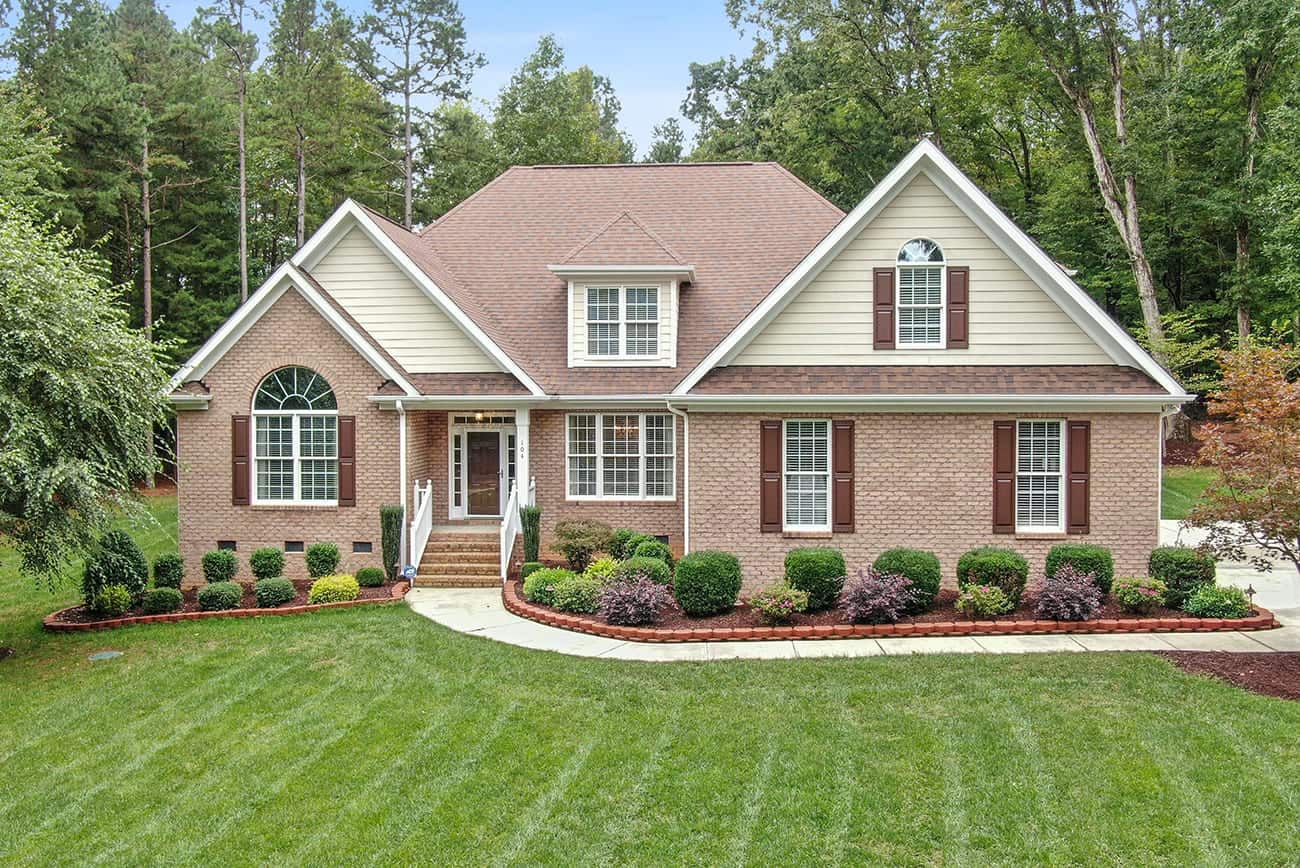
Nocatee, Palencia, and World Golf Village have lawn appearance standards. Consistent fertilization keeps turf dense and green year-round. A thin or yellow lawn in an HOA community can result in violation notices.
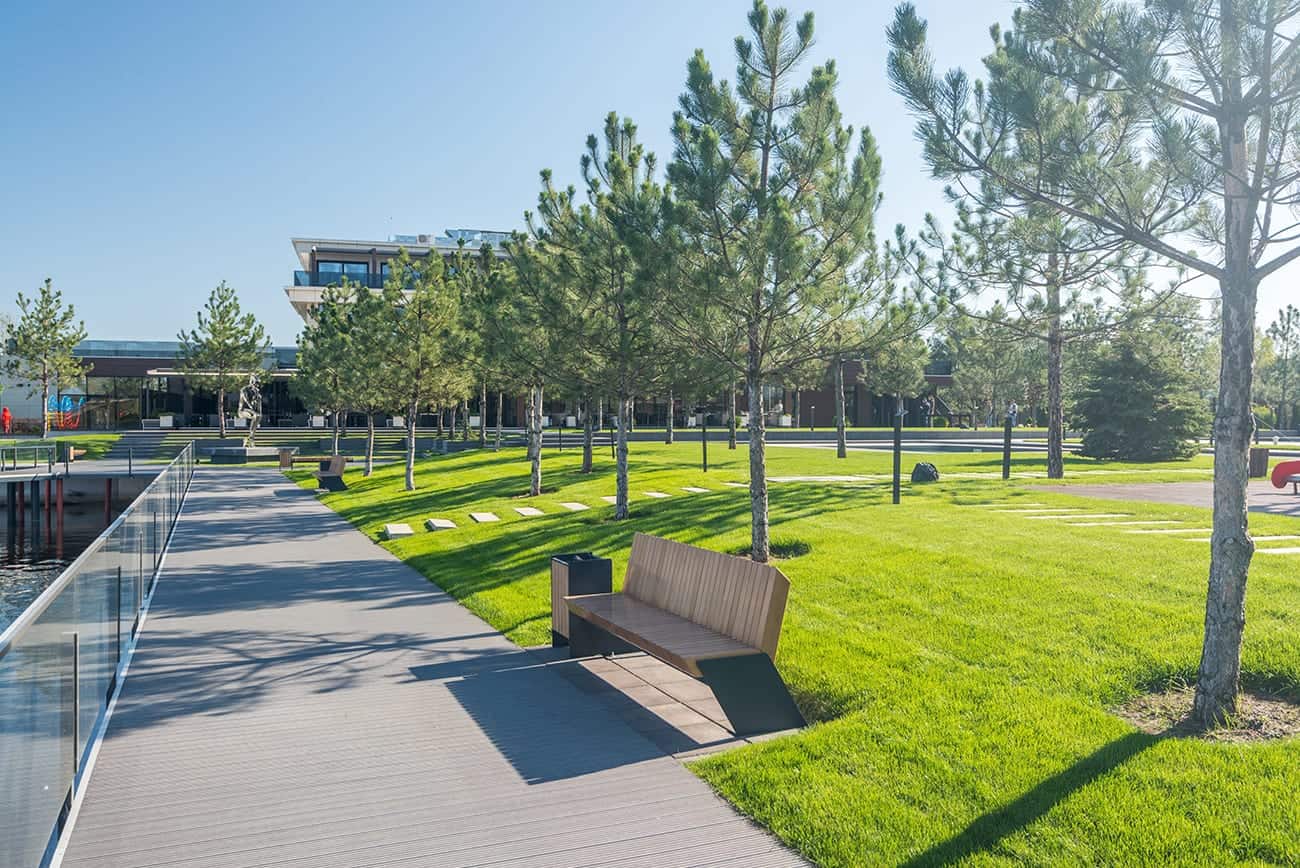
Vacation rental and Airbnb hosts
A dense green lawn near St. Augustine Beach or along A1A increases curb appeal. That affects first impressions, reviews, and booking rates.
.
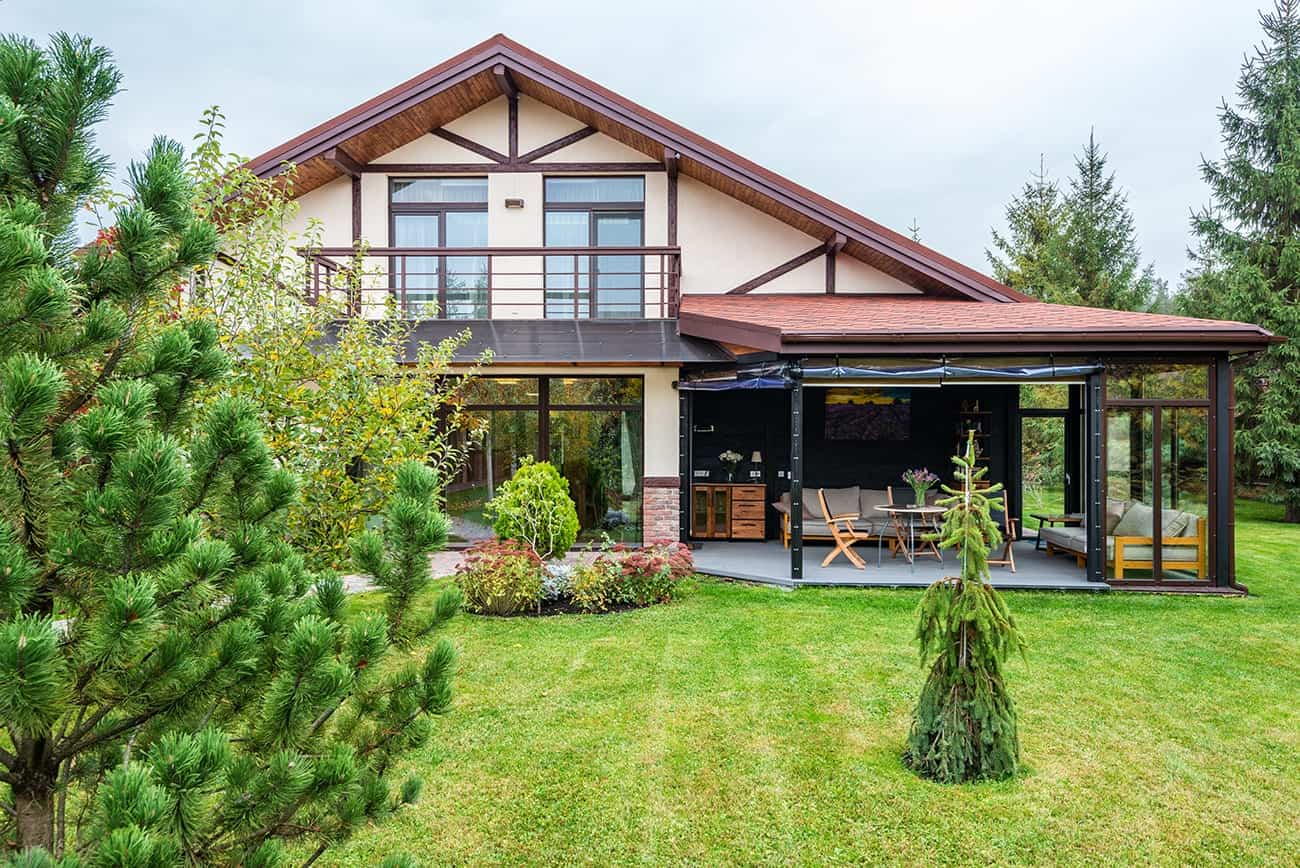
Absentee property owners
Fertilization problems show up gradually. Our photo report after each visit gives you a written record of your lawn’s condition. You do not need to be present to stay informed..
Homeowners with yellowing or thinning turf
If your Floratam is pale between the veins, it probably has an iron deficiency. If it is thinning along driveways and hot edges, it may have chinch bug damage. Both look like fertilizer problems. Only one is. We check before we treat.
Real Lawn — Nocatee
A homeowner in Nocatee contacted us after two rounds of fertilization from a previous service failed to fix a yellowing lawn.
The previous service had applied nitrogen twice. The yellowing stayed.
We identified iron deficiency on the first visit. The property sits in a newer development with low-organic sandy fill soil. Sandy fill soil near Nocatee and Ponte Vedra drains iron fast.
We applied chelated iron to the affected areas. Color began returning within 10 days. The lawn did not need more nitrogen. It needed iron.
“Two companies told us to just fertilize more. This team found the actual problem in one visit.” — James R., Nocatee
How do you tell the difference between chinch bug damage and a fertilizer problem?
Chinch bugs cause irregular brown patches that spread outward from sunny, dry areas. Fertilizer deficiency causes uniform yellowing across the whole lawn. If brown patches spread from edges near concrete or hot spots, check for chinch bugs before fertilizing.
What To Do If Your Lawn Is Yellowing or Thinning
Do not add more fertilizer until you know the cause.
7. Check where the yellowing appears — between leaf veins means iron deficiency, not nitrogen
8. Look for spreading brown patches near driveways and sunny edges — that is often chinch bugs
9. Check when the last fertilization was done and what product was used
10. Confirm the application date did not fall during the June through September blackout period
If the problem is still unclear, call us before the next application. Adding the wrong product delays recovery by weeks.
Frequently Asked Questions About Lawn Fertilization in St. Augustine
Our Guarantee
If any application is missed or not completed to standard, call us within 48 hours.
We return at no charge. No contracts. No paperwork. No waiting.
This applies to every single visit
Areas We Serve for Lawn Fertilization
We fertilize lawns across St. Johns County including:
St. Augustine Beach — Vilano Beach — Anastasia Island — Nocatee — World Golf Village — Palencia — St. Augustine Shores — Hastings — Crescent Beach — Palm Coast border areas
Properties on US-1, SR-207, SR-312, A1A, and the Ponte Vedra corridor are all within our service area.
Request Lawn Fertilization Service in St. Augustine
Sandy soil and coastal conditions mean your lawn loses nutrients faster than most. Fixing a yellow or thinning lawn costs more than preventing it.
Related Services
Lawn Mowing St. Augustine | Weed Control St. Augustine | Lawn Aeration St. Augustine | Weekly Lawn Maintenance | Contact Us | Pricing
Or request a free lawn assessment — we identify your grass type, check for deficiencies, and confirm the right treatment plan before applying anything.
No contracts. Same-day availability. Floratam and Palmetto specialists.
St. Augustine Lawn Care Pros — Licensed and Insured — Serving St. Johns County
FL Licensed — +1 (904) 331-8008 — info@lawncareservicesstaugustinefl.com